
Why Is Your Heat Pump Freezing Up?
Waking up to a chilly house during a mid-winter cold snap in the NCR is stressful enough, but walking outside to find your heat pump encased in a block of solid ice can be downright alarming. As more homeowners transition to energy-efficient heating, cold-climate heat pumps are becoming a familiar sight. While these advanced systems are absolutely built to handle our extreme winter temperatures, they do interact with the freezing, damp conditions of The Valley in ways that might surprise first-time owners.
If you are wondering why your heat pump is freezing up, you are not alone. It is one of the most common questions we get when the temperatures drop. The good news is that a little bit of frost is perfectly normal. However, if your outdoor unit looks like an ice sculpture, it might be time for some troubleshooting.
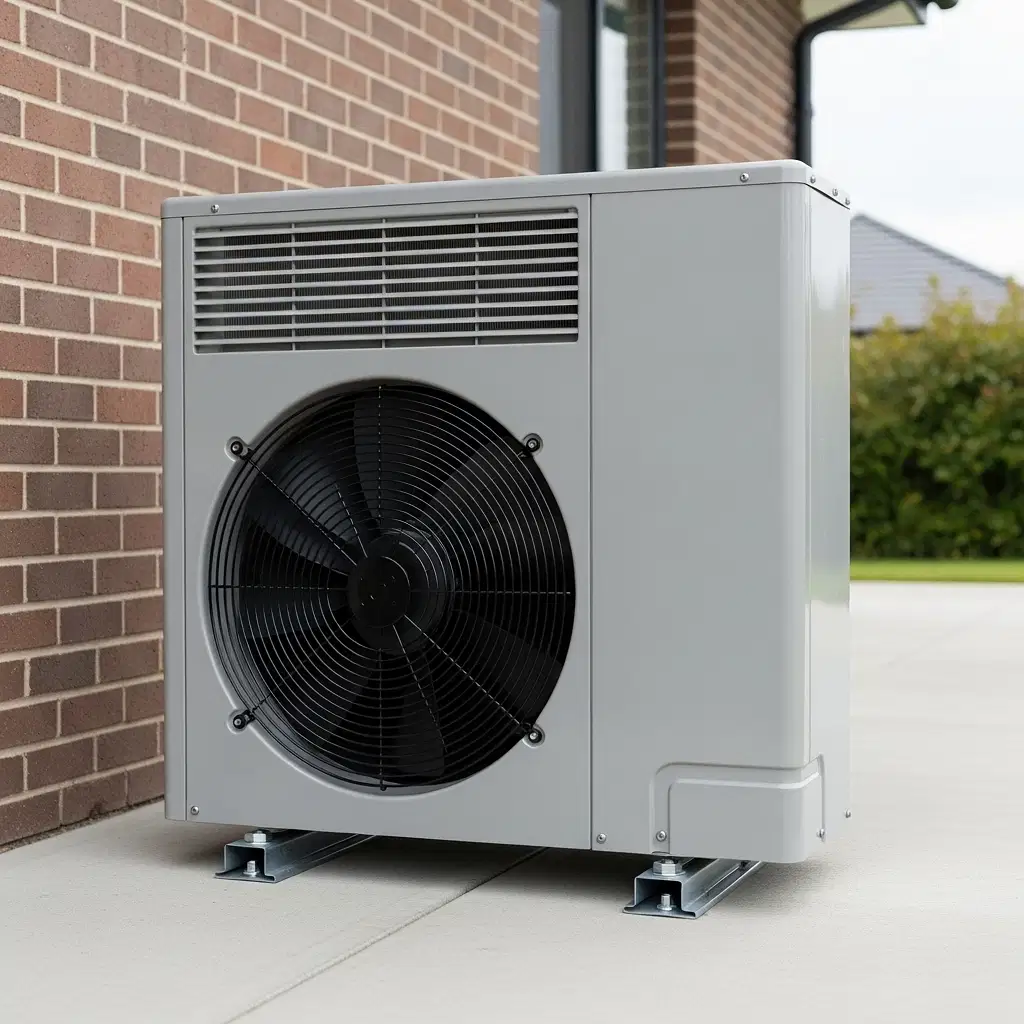
Normal Frost vs. Defrost Cycle Failure
First, let's clear up a common misconception: seeing frost on your outdoor unit during the winter is standard operating procedure. When your system pulls heat from the cold outside air to warm your home, condensation forms on the coils. In freezing temperatures, this condensation turns to frost.
To manage this, your system is equipped with a built-in defrost cycle. When sensors detect ice buildup, the system temporarily reverses its operation. It shifts into cooling mode for just a few minutes, sending warm refrigerant to the outdoor coils to melt the ice, while your indoor backup heat ensures you don't feel a cold draft inside.
So, how do you know if you are looking at signs of heat pump defrost cycle failure? Normal frost is a light, even layer that disappears every hour or two. A problem exists if the unit is completely covered in a thick, heavy layer of ice that blocks the fins entirely, or if you notice ice forming heavily on the top of the unit and the fan blades.
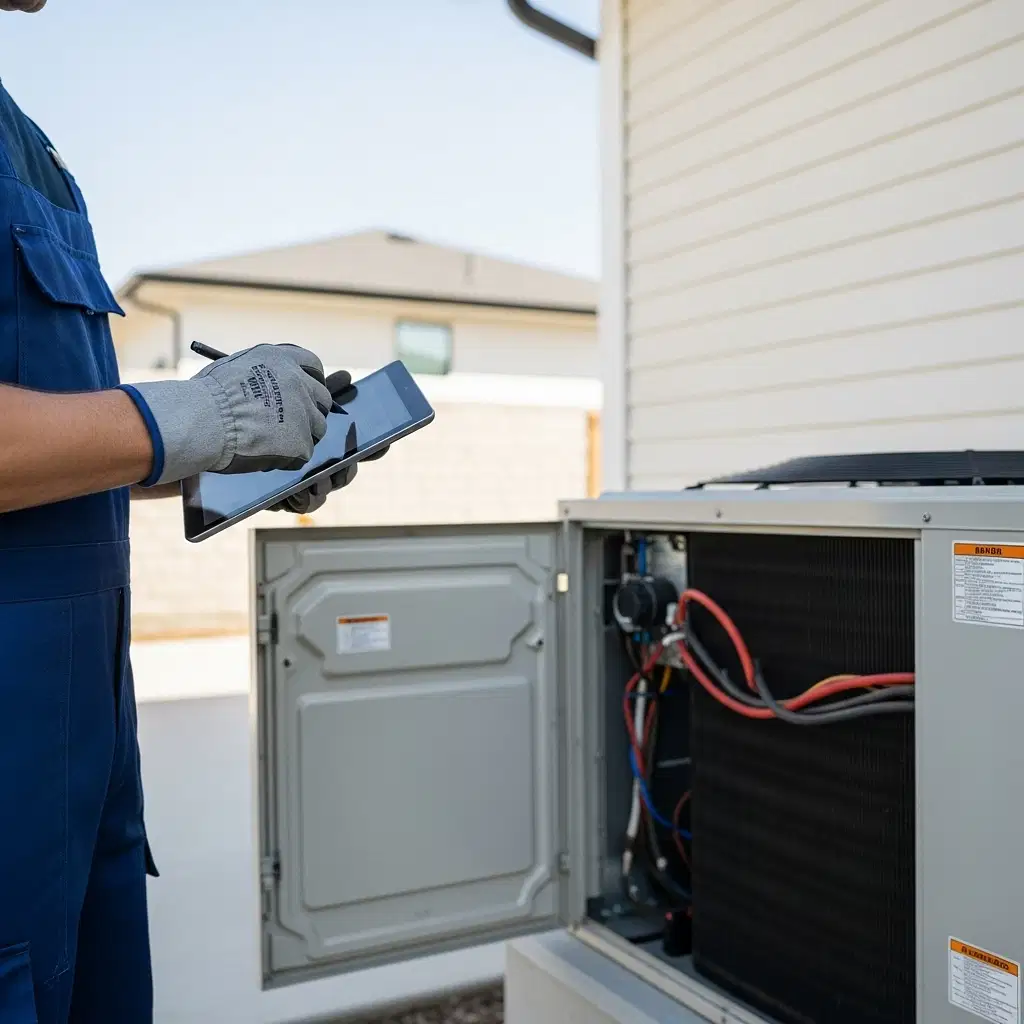
Common Causes for an Iced-Over Heat Pump
If your heat pump outdoor unit is covered in ice, several issues could be preventing the defrost cycle from working properly or causing excess moisture to freeze faster than the system can melt it.
Poor Airflow
Your system needs adequate airflow to function efficiently. If snow drifts have buried the base of the unit, or if fallen leaves and debris are clogging the fins, the system cannot breathe. Inside your home, a deeply clogged air filter can also restrict airflow enough to cause the entire system to struggle and eventually freeze up.
Low Refrigerant Levels
Refrigerant is the lifeblood of your heating and cooling system. If there is a slow leak, the drop in pressure will cause the outdoor coils to become exceptionally cold, leading to rapid ice accumulation. This not only stops your home from warming up, but it also forces your system to work overtime, which can lead to surprisingly high hydro bills.
Faulty Sensors or Motors
Sometimes, the mechanical components that trigger the defrost cycle simply wear out. A malfunctioning defrost thermostat, a broken relay board, or a failing outdoor fan motor will prevent the unit from recognizing that it needs to melt the ice. Troubleshooting a heat pump not heating in cold weather often points directly to these sensitive electronic parts.

When to Call in the Professionals
While you can easily clear away snow drifts or replace a dirty indoor air filter yourself, you should never attempt to chip or break solid ice off the outdoor unit with a tool. The aluminum fins and copper coils are delicate, and striking them can cause severe, expensive damage to your system.
If you have checked the basic airflow issues and the unit remains a block of ice, it is time to bring in professional help. Catching a freezing issue early can prevent major compressor damage and keep your family comfortable through the coldest stretches of the year.
At First Call Heating & Cooling Inc., our licensed technicians have the specialized tools and local expertise to diagnose defrost cycle issues quickly. If you need reliable heat pump repair and maintenance or a comprehensive heat pump service check, we are here to help. Contact us today to ensure your Ottawa home stays warm, efficient, and comfortable all winter long.