
Troubleshooting Water Heater Rumbling and Popping Noises
If you have recently wandered down to your basement and heard strange rumbling, crackling, or popping noises coming from your utility room, you are not alone. It can be startling to hear your plumbing fixtures sound like a percolating coffee maker or a bowl of crispy rice cereal. For many homeowners in Ottawa, a reliable supply of hot water is an absolute necessity, especially during our bitterly cold winters. When your equipment starts making a racket, it is a clear sign that something is going on beneath the surface.
At First Call Heating & Cooling Inc., our certified technicians receive countless calls from concerned homeowners wondering why their water heater is suddenly so noisy. Most of the time, these sounds are warning signs of underlying issues that, if left unaddressed, can lead to equipment failure, increased energy costs, and sudden cold showers. Let us explore exactly what causes these disruptive noises, what symptoms to look out for, and how you can resolve the issue safely and effectively.
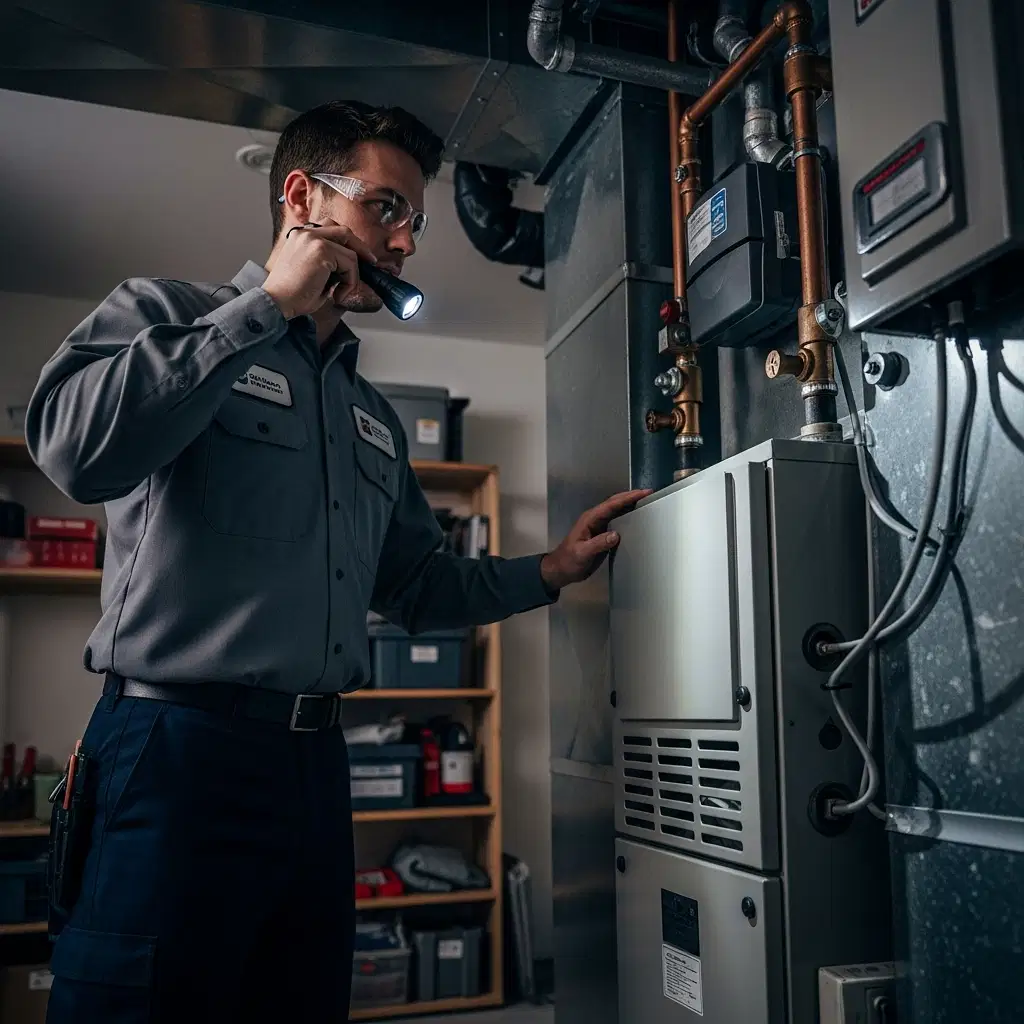
The Culprit Behind the Racket: Sediment Buildup
The most common reason you find yourself asking why is my hot water tank making popping noises comes down to a natural process involving the minerals in your water supply. Over time, naturally occurring minerals like calcium and magnesium precipitate out of the water and settle at the bottom of the tank. This is entirely normal, but it becomes problematic when this sediment accumulates into a thick, hardened layer.
When your system turns on to heat the water, the heat source is located at the very bottom of the tank. If there is a thick layer of sediment sitting there, it traps a small amount of water between the heating element and the mineral crust. As the burner heats up, this trapped water rapidly turns into steam, expands, and eventually bursts through the sediment layer. That miniature steam explosion is exactly what creates the distinct popping and rumbling noises you hear echoing through your home.
Ignoring this issue is not recommended. Sediment buildup symptoms in a hot water tank go beyond just annoying noises. As the mineral layer thickens, your system has to work significantly harder to heat the water through the barrier. This means your unit will run longer, consuming more energy and inevitably driving up your monthly hydro bills. Furthermore, this trapped intense heat can damage the inner lining of the tank, weakening the metal and dramatically shortening the lifespan of the appliance.
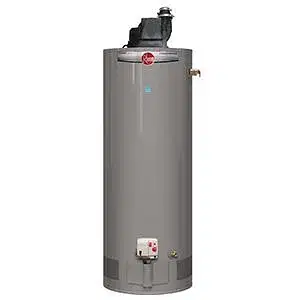
Water Heater Leaking From Bottom Troubleshooting
Sometimes, the popping and rumbling sounds are accompanied by a much more serious symptom: a puddle of water forming around the base of the unit. If you find your water heater leaking from the bottom, it is crucial to perform some basic troubleshooting to determine the severity of the situation before the damage spreads.
First, carefully inspect the drain valve near the bottom of the tank. Sometimes the valve has simply become loose over time or was not fully tightened after a previous maintenance flush. If you notice a slow drip coming directly from the spout of the valve, tightening it slightly or replacing the valve cap might temporarily solve the issue. However, you must exercise extreme caution, as the water inside is scalding hot.
Next, check the temperature and pressure relief (T&P) valve and its discharge pipe, which usually runs down the side of the tank. If the pressure inside the tank builds up too high—often exacerbated by excessive sediment and overheating—this valve will safely release water to prevent a dangerous rupture. If the leak originates from this pipe, it indicates a pressure imbalance that requires professional attention.
Finally, if the water appears to be seeping directly from the metal casing itself, rather than a valve or fitting, this is the worst-case scenario. When the glass lining inside the tank cracks due to age and internal thermal stress, water breaches the outer shell. A fractured tank cannot be repaired. If you spot a structural leak alongside rumbling noises, it is time to shut off the water supply and immediately seek out professional hot water tanks repair & maintenance to assess the situation and prevent basement flooding.
How to Tell if Your Water Heater Needs Replacement
Knowing when to fix a problem versus when to upgrade can be a difficult financial decision for any homeowner. How to tell if a water heater needs replacement largely depends on the age of the unit, the frequency of repairs, and the severity of the symptoms.
Most traditional residential tanks are designed to last roughly eight to twelve years. If your unit is approaching or has exceeded this age range, and is suffering from severe sediment buildup, rusting water, or structural leaks, investing in a new hot water tanks installation is often the most cost-effective and safest choice. Pouring money into fixing a heavily calcified, decade-old tank is a temporary bandage at best.
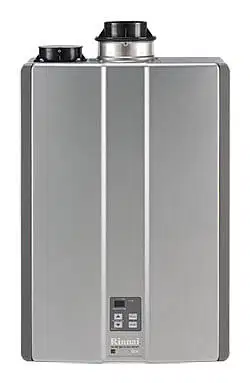
When replacing an outdated unit, many families take the opportunity to evaluate their home comfort and energy usage priorities. Modern technological advancements mean you do not have to settle for the same standard system. By choosing a tankless water heater installation, you can completely eliminate the problem of standing sediment buildup. Tankless systems heat water on demand as it flows through the unit, meaning there is no large reservoir where minerals can settle and bake onto the bottom. In addition to delivering an endless supply of hot water, these high-efficiency systems can significantly lower your home's energy consumption, freeing up your budget for other things.
At First Call Heating & Cooling Inc., we know that dealing with unexpected home repairs is stressful. Between extreme seasonal weather shifts and navigating the rising costs of living, ensuring your home operates smoothly is our top priority. We believe in providing transparent, upfront pricing and flexible options so you can make the best choice for your family's needs, whether that means a comprehensive flush of your existing tank or a seamless installation of a modern, eco-friendly system.
Do not let rumbling, popping, or unexpected leaks compromise your home comfort. If your hot water equipment is trying to tell you something, let our certified technicians translate. Contact us today via our contact us page to schedule an inspection and keep the hot water flowing reliably through your Ottawa home all winter long.