
Troubleshooting Boiler and Radiator Heating Problems
When the deep freeze of an Ottawa winter sets in, your home's heating system becomes your most vital asset. For many homeowners in our region, hydronic heating systems provide a uniquely comfortable, consistent warmth that is hard to beat. However, when your radiators stop throwing heat or your boiler starts making unsettling noises, that cozy environment can quickly turn chilly. At First Call Heating & Cooling Inc., we know how critical it is to keep your system running smoothly through seasonal fluctuations and extreme weather drops.
Boilers and radiators are incredibly durable, but they aren't immune to wear and tear. Whether you are dealing with a sudden drop in warmth or trying to understand if your system is operating efficiently enough to keep your hydro bills manageable, knowing what to look for is the first step. In this guide, we will walk you through the most common hydronic heating issues, from uneven radiator heat to low pressure, so you know exactly when a simple DIY fix will do and when it is time to call in a certified professional.

Why Are My Radiators Cold at the Top?
One of the most frequent issues homeowners encounter is uneven heating in their radiators. If you notice your radiators cold at top boiler troubleshooting usually points to a very common culprit: trapped air. Over time, air bubbles can accumulate inside the hydronic system, rising to the highest points in your radiators. Because air doesn't retain or transfer heat the way water does, the top of the radiator stays cold while the bottom, where the hot water is flowing, remains warm.
Fortunately, this is often a straightforward problem to solve. You can usually fix this by "bleeding" the radiator. Using a radiator key, you slowly open the bleed valve located at the top of the unit until you hear a soft hissing sound, which is the trapped air escaping. Once water begins to trickle out, you quickly close the valve. If you bleed your radiators and the problem persists, or if multiple radiators are failing to heat up properly, it might indicate a circulation issue or a failing pump within the main boiler unit, which requires a professional inspection.
Understanding Boiler Kettling and Banging Noise Causes
Boilers are generally quiet operators, so a sudden racket coming from your utility room is a clear sign that something is amiss. If your system sounds like a boiling kettle whistling or if you hear loud banging and rumbling, you are likely experiencing a phenomenon known as "kettling."
The most common of all boiler kettling and banging noise causes is the buildup of limescale and mineral deposits on the heat exchanger. The water supply in some areas contains minerals that, over time, settle and harden inside the boiler. This deposit restricts water flow and traps water against the heat exchanger. That trapped water boils, turns to steam, and expands rapidly, creating those alarming popping and banging sounds.
Kettling is more than just an annoyance; it forces your system to work significantly harder to heat your home, driving up your hydro costs and putting immense strain on the equipment. A technician can resolve this by flushing the system with specialized descaling chemicals, restoring efficiency and extending the lifespan of your unit.
How to Fix Low Hydronic Boiler Pressure
For your boiler to circulate hot water effectively throughout your home, it needs to maintain a specific level of pressure. Most residential boilers have a pressure gauge on the front panel that should ideally sit between 1 and 1.5 bar when the system is cold. If you notice your heating isn't working as well as it should and the needle has dropped below 1, you are dealing with low pressure.
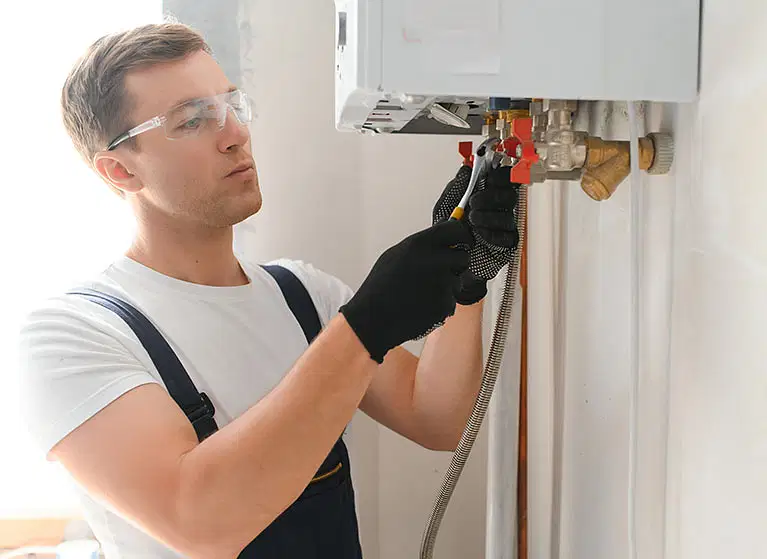
Wondering how to fix low hydronic boiler pressure? First, check for visible leaks around the boiler, pipes, and radiators. Even a tiny, continuous drip can cause a gradual loss of pressure over a season. If there are no obvious leaks, you may simply need to top up the system. This usually involves opening the filling loop valves to allow mains water into the system until the gauge reaches the correct level. However, if you find yourself constantly having to re-pressurize your boiler, this is a red flag. It often points to a faulty pressure relief valve, a degraded expansion vessel, or a hidden leak within your walls or floorboards that needs immediate attention.
Signs Your Residential Boiler Needs Repair or Replacement
As your boiler ages, you might find yourself weighing the cost of frequent repairs against the benefits of an upgrade. Homeowners often ask us about the signs residential boiler needs repair or replacement. A system that requires constant resets, fails to provide consistent hot water, or causes an unexplained spike in your heating bills is likely nearing the end of its functional life.
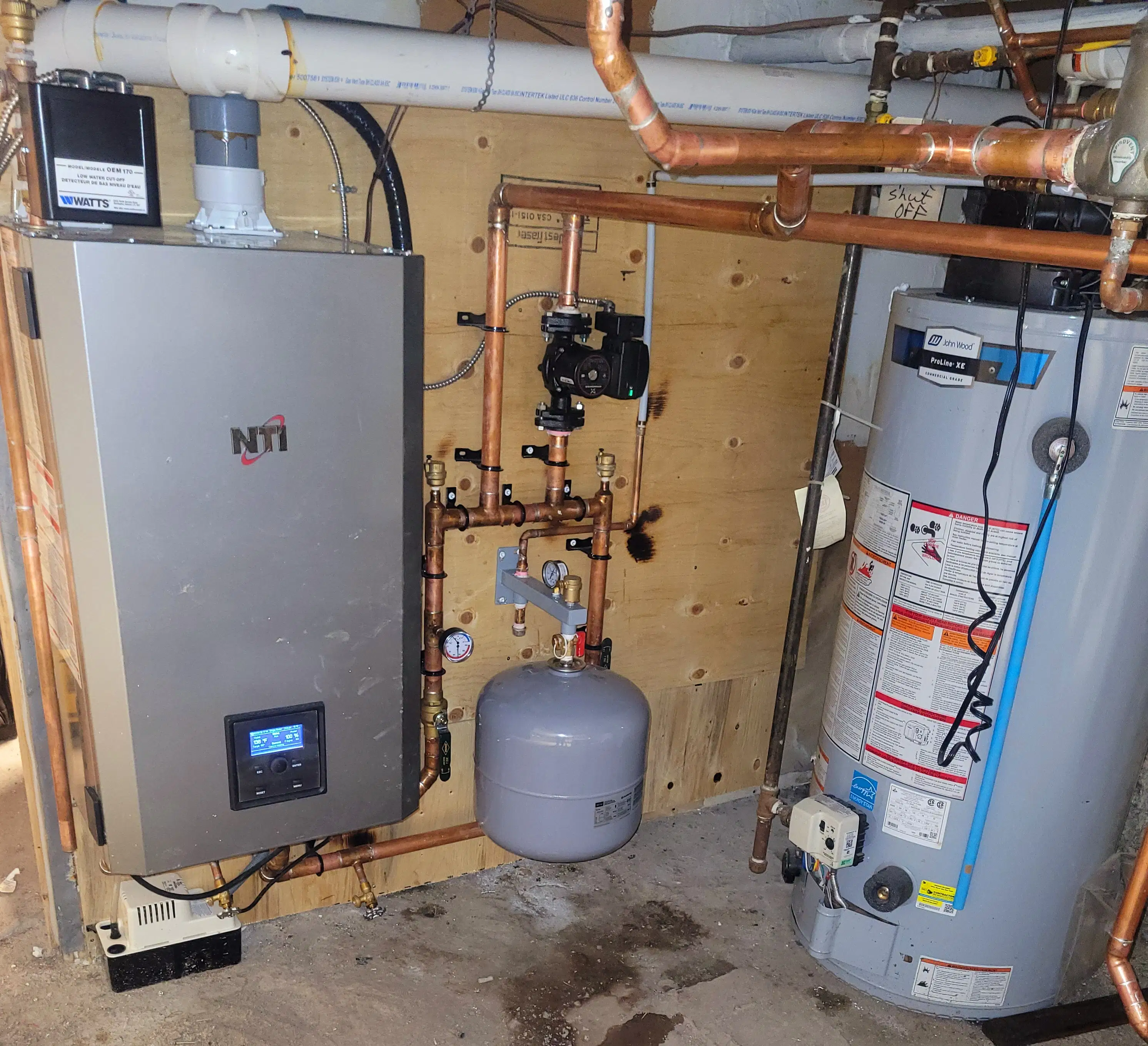
Furthermore, finding parts for older, obsolete heating systems is becoming increasingly difficult. The upfront costs of a modern, energy-efficient boiler can be daunting, but upgrading often makes financial sense when you consider long-term reliability and lower monthly bills. Modern high-efficiency systems capture exhaust gases to generate additional heat, utilizing fuel much more effectively than older models. If you are experiencing frequent breakdowns or your unit is over 15 years old, looking into boiler installation is a smart, proactive move to ensure you aren't left shivering during the next major winter storm.
The Importance of Preventative Maintenance
We are frequently asked how often HVAC and hydronic systems should be serviced. To maintain manufacturer warranties and ensure peak efficiency, your boiler requires an annual inspection by a licensed technician. Preventative maintenance is the best defense against unexpected breakdowns, especially considering the severe shortage of skilled tradespeople making emergency service calls difficult during peak winter spikes.
During a maintenance visit, a professional will check all safety devices, clean the heat exchanger, test the system's pressure, and ensure there are no carbon monoxide leaks. This not only keeps your family safe but also guarantees that your system is running as cleanly and efficiently as possible, which is crucial for managing household expenses in an era of high inflation.
If your radiators are underperforming or your boiler is showing its age, do not wait for a complete breakdown in the middle of January. Reach out to First Call Heating & Cooling Inc. to schedule comprehensive boiler repair maintenance. Our certified technicians are dedicated to keeping your home safe and warm all winter long. Need immediate assistance or want to request a quote for a system upgrade? Visit our contact us page to speak with our local team today.