
Tankless vs. Traditional: Which Hot Water Heater is Right for Your Ottawa Home?
From that first warm shower in the morning to washing dishes after a family dinner, reliable hot water is a non-negotiable part of daily life. But when your old water heater starts showing its age, you're faced with a big decision. In today's market, the choice often comes down to two main contenders: the classic storage-tank water heater and the modern, on-demand tankless system. For homeowners in Ottawa, where our long winters make a dependable hot water supply essential, making the right choice can impact your comfort, your space, and your monthly hydro bill.
At First Call Heating & Cooling Inc., we help homeowners navigate this decision every day. This guide will break down the pros and cons of both traditional and tankless water heaters to help you find the perfect fit for your family's needs and budget.
The Tried-and-True: The Traditional Hot Water Tank
This is the system most of us grew up with. A traditional hot water tank is essentially a large, insulated reservoir that heats and stores a set amount of water (typically 40-60 gallons) and keeps it ready for use 24/7. When you turn on a hot water tap, hot water is drawn from the top of the tank while cold water enters the bottom to be heated.
Advantages of a Traditional Tank:
- Lower Upfront Cost: The initial purchase and installation cost of a conventional tank heater is generally more affordable than a tankless unit, making it an attractive option for those on a tighter budget.
- Proven Technology: This technology has been around for decades. It's simple, reliable, and most technicians are very familiar with it.
- Consistent Output: For simultaneous, low-flow uses (like running a sink and a dishwasher), a tank can often provide consistent temperature without issue.
Disadvantages to Consider:
- Standby Heat Loss: Because the tank is always keeping a large volume of water hot, it's constantly using energy, even when you're not using any hot water. This standby loss contributes to higher energy bills.
- Limited Supply: Once the hot water in the tank is used up, you have to wait for it to reheat a new supply. If you have a large family or guests, you might experience the dreaded cold shower.
- Large Footprint: These units take up significant floor space in your utility room or basement.
- Shorter Lifespan: The typical lifespan of a storage tank water heater in our climate is around 8-12 years.
The Modern Alternative: The Tankless Water Heater
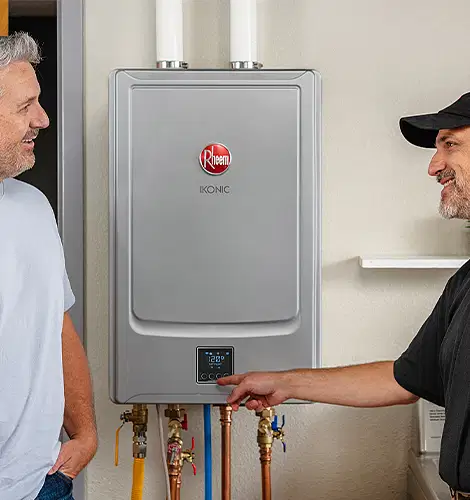
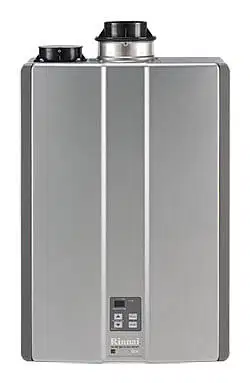
Tankless water heaters, also known as on-demand systems, represent a major shift in how we get hot water. Instead of storing water, these compact units use powerful gas burners or electric elements to heat water instantly as it flows through the device. Turn on the tap, and the unit fires up; turn it off, and the unit shuts down.
Advantages of a Tankless System:
- Endless Hot Water: Since water is heated on demand, you never run out. You can run the shower, the dishwasher, and the laundry all at once without worrying about the water turning cold.
- Significant Energy Savings: By eliminating standby heat loss, tankless heaters are far more energy-efficient. This can lead to noticeable savings on your monthly hydro and gas bills—often reducing water heating energy consumption by 20-30%.
- Longer Lifespan: A well-maintained tankless unit can last 20 years or more, nearly double the lifespan of a traditional tank.
- Space-Saving Design: These units are small and mount directly to a wall, freeing up valuable floor space.
Disadvantages to Consider:
- Higher Initial Investment: The upfront cost for a tankless unit and its installation is higher than a traditional tank.
- Installation Requirements: Switching to tankless may require upgrades to your home's gas lines or electrical wiring to meet the unit's high-power demands. This is a crucial reason why professional installation is a must.
Head-to-Head: Making the Right Choice for Your Home
So, how do you decide? Let's compare them on the factors that matter most to Ottawa homeowners.
-
Cost: A traditional tank has a lower purchase price, but a tankless system offers long-term savings through lower energy consumption. Think of it as an investment that pays you back over time. It's also worth investigating current government rebates and grants, which can help offset the initial cost of a high-efficiency upgrade.
-
Energy Efficiency: Tankless is the clear winner here. By only heating water when you need it, you're not paying to keep a large tank hot during the day when you're at work or overnight while you sleep.
-
Performance: If your family frequently runs out of hot water, the endless supply from a tankless unit can be a game-changer. For smaller households with lower demand, a traditional tank may be perfectly adequate.
-
Lifespan & Maintenance: A tankless heater's 20+ year lifespan means you won't have to think about a replacement for a long time. Both systems benefit from regular maintenance to ensure longevity and peak performance, but tanks are more susceptible to sediment buildup and corrosion over time.
-
Installation: Replacing an old tank with a new one is typically straightforward. A tankless water heater installation can be more involved, potentially requiring new venting or adjustments to your plumbing and gas lines. A qualified technician can assess your home's specific needs and ensure everything is done safely and to code, including any necessary gas line work.
Your First Call for Hot Water Solutions
Ultimately, the best hot water heater is the one that aligns with your family's lifestyle, your home's infrastructure, and your financial priorities. A traditional hot water tank remains a reliable and budget-friendly choice, while a tankless system offers superior efficiency, endless hot water, and long-term value for those willing to make the initial investment.
The most important step is getting expert advice tailored to your specific situation. The team at First Call Heating & Cooling Inc. has the experience to assess your needs and recommend the right solution. We provide transparent pricing, professional installation, and the trusted service our neighbours across Ottawa have come to expect.
Ready to explore your options? Contact us today for a no-obligation consultation and let us help you find the perfect hot water solution for your home.