
Safely Winterizing Residential Gas Pool Heaters: A Complete Guide
As the humidex drops and the vibrant autumn leaves begin to settle across the NCR, homeowners know that the countdown to our freezing winter climate has officially begun. While your backyard oasis provided endless comfort during the sweltering summer months, leaving your equipment exposed to the upcoming sub-zero temperatures without proper preparation can lead to catastrophic and expensive damage.
For families with heated swimming pools, closing up for the season requires much more than simply tossing a cover over the water. Your heating equipment requires specific, careful attention to survive the extreme cold. When water is left inside the delicate internal components of your heating system, it expands as it freezes, cracking heat exchangers and destroying valves.
Navigating the transition between our extreme seasons can be stressful, but taking the right preventative measures now will protect your investment. In this comprehensive guide, we will walk you through the essential processes for shutting down your equipment, highlight the dangers of skipping these vital steps, and explain why proper maintenance is the ultimate key to a stress-free spring opening.
The Hidden Dangers of Winter Weather
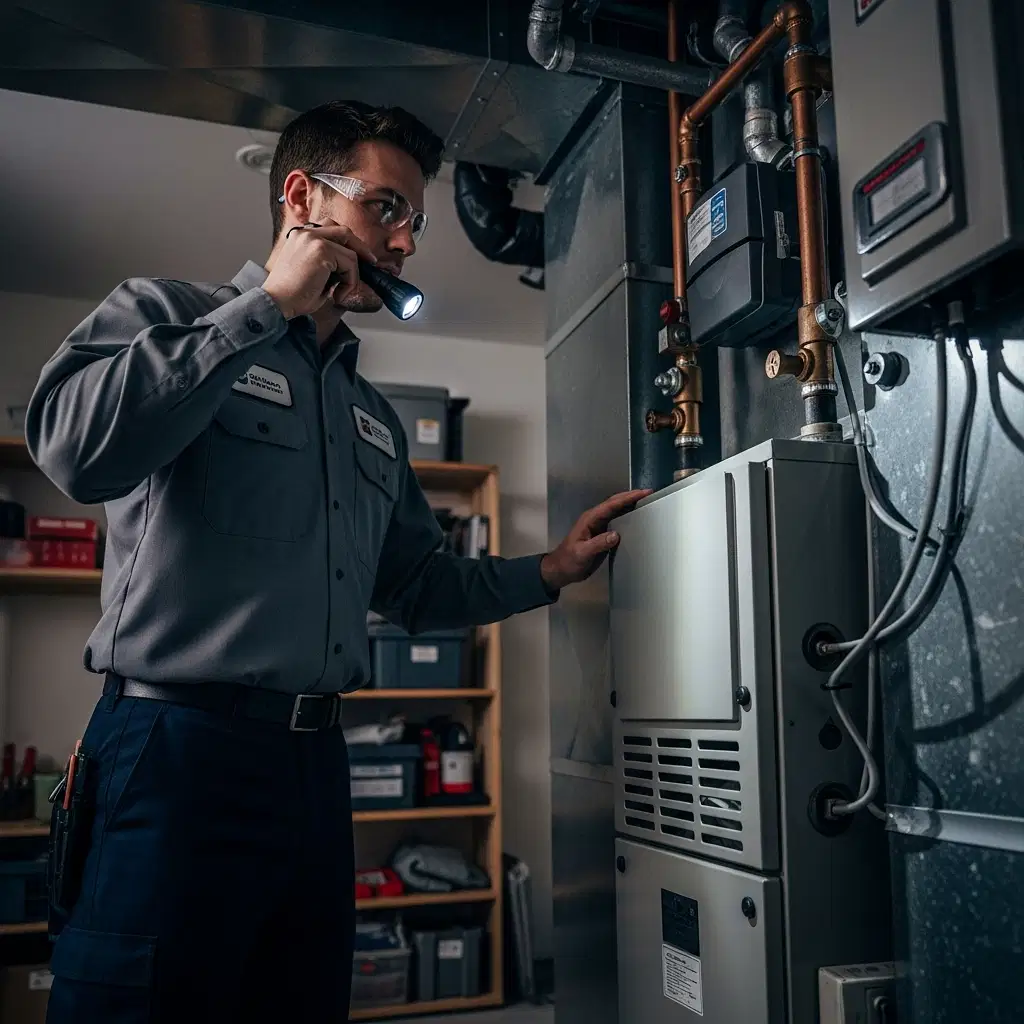
Our severe local climate is notoriously harsh on outdoor plumbing and mechanical systems. During January and February, deep freezes can easily destroy any equipment that hasn't been thoroughly drained and secured. Preventing pool heater freeze damage is not just about extending the lifespan of your unit; it is about avoiding thousands of dollars in emergency replacements.
The most vulnerable part of your system is the heat exchanger. Because it is designed to transfer heat efficiently, the metal is often relatively thin. If even a small amount of residual water turns to ice inside these copper or cupronickel tubes, the expansion will split the metal. Unfortunately, this type of freeze damage is rarely covered by manufacturer warranties because it is considered preventable through routine seasonal maintenance.
Beyond the water risk, there is also the gas supply to consider. Winterizing gas lines for outdoor heaters requires precision and a strict adherence to safety protocols. A valve that is improperly closed or a line that is left exposed to shifting ice and snow can develop dangerous leaks. Protecting your home and your family means ensuring that both the water and fuel sources are completely neutralized before the first major snowfall.
Your Essential Gas Pool Heater Shutdown Checklist
If you want to ensure your system survives until the warm weather returns, following the correct pool heater winterization steps is absolutely mandatory. While every model has its own specific manufacturer guidelines, a standard professional gas pool heater shutdown checklist involves several critical phases to guarantee complete protection.
First, the power supply to the heater must be completely severed at the main breaker to prevent any accidental activation during the off-season. Next, the gas supply valve must be turned to the fully closed position. We highly recommend having gas line installation and repairs experts handle any stiff, corroded, or questionable valves, as forcing a stuck gas valve can lead to dangerous ruptures.
Once the power and gas are secured, the delicate process of draining the unit begins. Technicians will open the drain plugs located on the headers of the heater, allowing the bulk of the water to escape. However, gravity alone is rarely enough. To ensure every drop of moisture is removed from the internal tubing, professionals use compressed air to gently blow out the lines. This step must be done with precise pressure; too much force can damage the internal pressure switches, while too little will leave residual water behind.
Finally, the external connections are disconnected, and the unit is protected from the elements. While some homeowners choose to wrap their units tightly in plastic, professionals often recommend using a breathable cover specifically designed for your model to prevent condensation and rust from building up inside the casing during mild winter thaws.
Why Professional Servicing is the Safest Choice
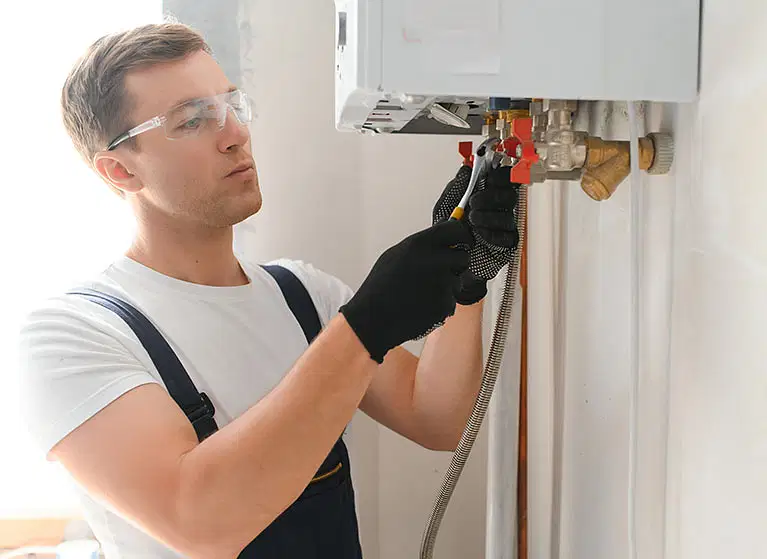
It can be tempting to tackle your backyard winterization as a weekend DIY project, but gas appliances carry inherent risks that require specialized knowledge. In Ontario, handling gas lines and complex heating equipment falls under strict Technical Standards and Safety Authority (TSSA) regulations. Having a licensed professional handle your seasonal shutdown ensures that all safety standards are met and that your manufacturer's warranty remains fully intact.
Furthermore, an autumn service appointment is the perfect time for a technician to perform a comprehensive diagnostic check. Before the unit is put to sleep for the winter, a trained eye can spot excessive soot buildup, venting issues, or rodent damage that occurred during the summer. By booking pool heater service and maintenance at the end of the season, you eliminate the guesswork and ensure your system is perfectly calibrated and ready to fire up the moment you want to open your pool next year.
Professionals also arrive equipped with the exact tools needed for the job, from the right air compressors to specialized thread sealants. They understand the nuances of different models and can adapt their techniques to accommodate older, more delicate systems that might require a gentler touch to avoid disturbing fragile components.
Planning for the Future: Is It Time for an Upgrade?
During the winterization process, your technician might discover that your current heater is reaching the end of its operational lifespan. Older units not only run the risk of sudden failure, but they also operate at significantly lower efficiency levels. If you noticed your hydro or gas bills creeping up uncomfortably high last summer, it might be time to consider modernizing your setup.
Today's advanced heating systems offer incredible energy efficiency, helping you lower your operating costs while maintaining perfect water temperatures. If your current unit is showing severe signs of internal rust, failing to reach desired temperatures, or requires constant emergency repairs, replacing it in the off-season can save you from a major headache next summer. We proudly offer transparent, upfront pricing on all pool heater installation services, ensuring you have all the information you need to make the best decision for your home and budget.
Secure Your Comfort Today
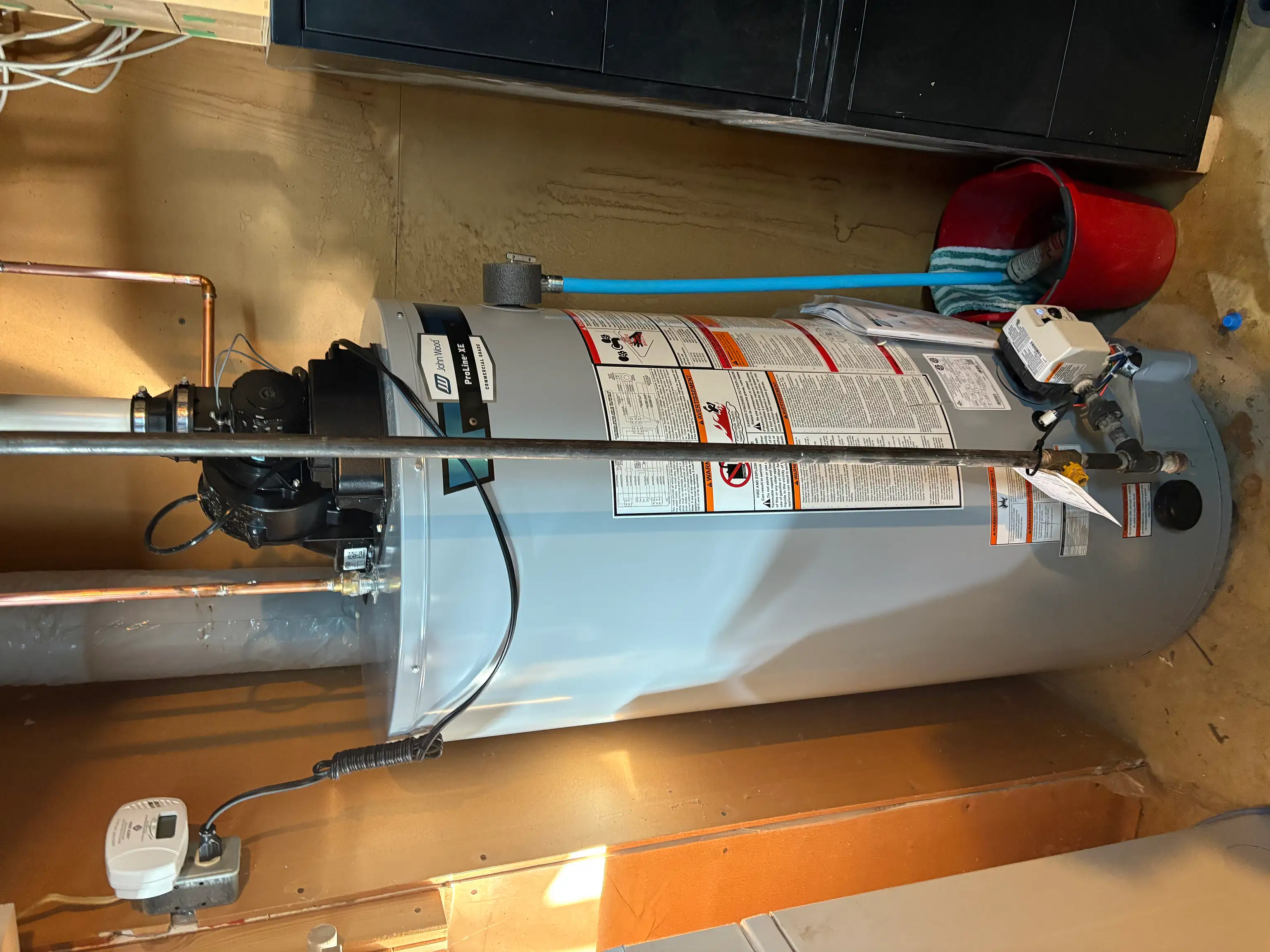
Don't wait until the first hard frost to think about the expensive equipment sitting in your backyard. The transition into our freezing Ottawa winters happens quickly, and securing your heating investments now will provide you with absolute peace of mind all winter long. Proper maintenance guarantees that when the warm weather finally returns, your family can dive right back into comfort without frustrating delays or costly emergency repairs.
If you need assistance preparing your outdoor heating systems for the cold months ahead, the licensed, TSSA-certified experts at First Call Heating & Cooling Inc. are here to help. We pride ourselves on punctuality, professionalism, and treating your home with the utmost respect. Reach out to us through our contact page to schedule your seasonal maintenance and ensure your equipment is fully protected against whatever the winter throws our way.