
Preparing Your Gas Fireplace for Efficient Autumn Heating
As the summer humidity fades and the crisp autumn air settles over the NCR, our thoughts naturally turn toward keeping our homes warm and comfortable. The transition between seasons is a beautiful time of year, but it also signals that the bitter winter cold is just around the corner. Before the deep freeze sets in and emergency service calls peak, autumn is the perfect time to evaluate your home's heating systems.
While your primary furnace does the heavy lifting throughout the winter, a well-maintained gas fireplace provides the perfect supplemental heat for those chilly October and November evenings. It allows you to take the chill out of your main living space without having to turn up the central thermostat, which is a great strategy for keeping your monthly hydro and gas bills manageable.
However, gas fireplaces are not just decorative fixtures; they are functional gas appliances that require regular attention to operate safely and efficiently. Dust, pet dander, and general wear and tear can accumulate over the warmer months when the unit sits dormant. Taking the time to properly prepare your system now ensures that when you need that cozy warmth, your equipment will operate flawlessly and safely.

Your Essential Pre-Season Maintenance Steps
To ensure your system is ready for the cooler weather, following an annual gas fireplace maintenance checklist is highly recommended. Regular upkeep not only extends the lifespan of your equipment but also protects your indoor air quality by ensuring proper ventilation.
Start by inspecting the exterior glass. Over time, a white, cloudy film can develop on the inside of the glass due to the combustion process. It is important to clean this using a specialized gas fireplace glass cleaner—never use standard ammonia-based window cleaners, as they can permanently etch the glass when heated. Next, carefully inspect the interior logs and burner for any excessive soot buildup or debris. While a small amount of soot is normal, heavy accumulation can indicate an improper fuel-to-air mixture that needs professional adjustment.
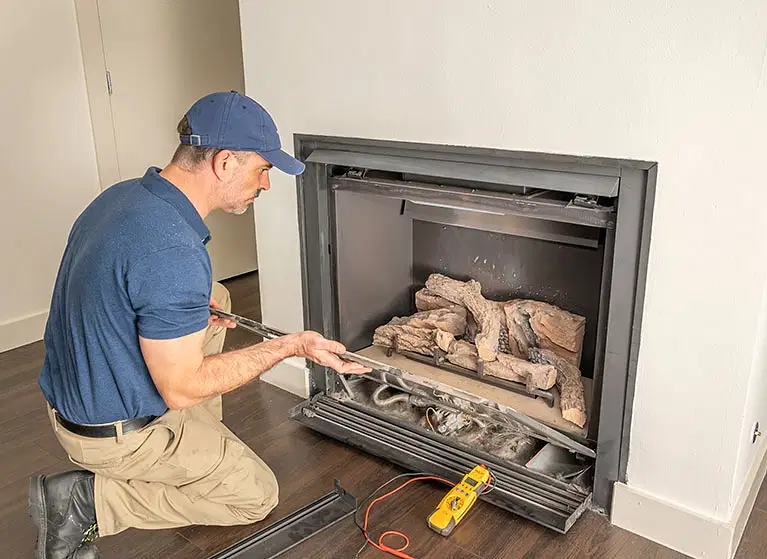
If you go to turn on your system and find that the flame won't ignite, you might need a gas fireplace pilot light troubleshooting guide. First, check that the main gas valve is turned on. If the pilot light sparks but won't stay lit after you release the knob, the issue is frequently a dirty or worn-out thermocouple. The thermocouple is a safety device that shuts off the gas if it doesn't sense a flame. While you can sometimes gently clean soot off a thermocouple, it is a delicate component. If you are ever unsure or if the system continually fails to ignite, it is always safest to schedule professional gas fireplaces repair & maintenance. Dealing with natural gas requires strict adherence to safety protocols, and certified technicians have the tools to safely diagnose and resolve ignition issues.
Exploring Upgrades and Safe Installations
If your current unit is older, frequently needs repairs, or simply doesn't produce enough heat to combat the damp chill of The Valley, it might be time to consider a replacement. There are significant benefits of upgrading to direct vent gas fireplace models compared to older natural draft (B-vent) systems.
A direct vent system uses a dual-pipe mechanism: one pipe draws fresh combustion air from outside, while the other expels the exhaust gases outside. This sealed system is incredibly efficient because it doesn't pull the pre-heated indoor air from your living room to feed the fire, nor does it allow cold drafts to enter the home when the fireplace isn't in use. This translates to better energy efficiency, enhanced indoor air quality, and peace of mind knowing that combustion byproducts are safely vented away from your living space. If you are ready for an upgrade, professional gas fireplaces installation ensures the unit is correctly sized and safely integrated into your home.
Sometimes, installing a new fireplace or moving an existing one requires structural changes to your home's fuel delivery system. A proper gas line extension for indoor heating appliances is a complex process that must strictly follow the Technical Standards and Safety Authority (TSSA) regulations. Whether you are adding a fireplace to a newly finished basement or relocating one during a living room renovation, certified gas line installation & repairs are mandatory. A licensed gas fitter will ensure the pipes are correctly sized to handle the BTU load of your new appliance without starving your furnace or water heater of fuel.
Enjoy a Warm, Safe, and Comfortable Autumn
Taking a proactive approach to your home's heating systems before the first major cold snap is the best way to ensure uninterrupted comfort for your family. A well-maintained fireplace provides a reliable source of warmth, creates a relaxing ambiance, and can even offer a backup heat source during unexpected winter power outages.
Whether you need to schedule your annual tune-up, troubleshoot a stubborn pilot light, or you are considering upgrading your living space with a beautiful new, high-efficiency model, our licensed technicians are here to help. We proudly serve homeowners throughout the Ottawa area, providing prompt, professional service that prioritizes your safety and comfort.
Don't wait until the winter rush begins. Contact us today to book your service and ensure your home is ready to stay cozy all season long.