
Navigating Gas Line Requirements for Modern Heating Systems
As you look for ways to improve your home's comfort and reduce those steep winter hydro bills, upgrading your heating equipment is likely at the top of your list. Modern climate control technology has advanced rapidly, offering unparalleled energy efficiency and reliability. However, when homeowners in Ottawa prepare to upgrade their home comfort systems, they often overlook a critical underlying component: the infrastructure that fuels these units. Understanding the gas line requirements for your home is essential for safety, peak efficiency, and long-term performance.
Whether you are transitioning to a high-efficiency gas furnace, exploring the benefits of a hybrid heating system, or adding new luxury features to your living space, the demands on your home's natural gas supply will change. Your existing pipes were sized and installed for the appliances present at the time your house was built. Today, we want to help you understand what goes into ensuring your gas infrastructure is up to the task of powering a modern, energy-efficient home.
Why Proper Sizing Matters for New Equipment
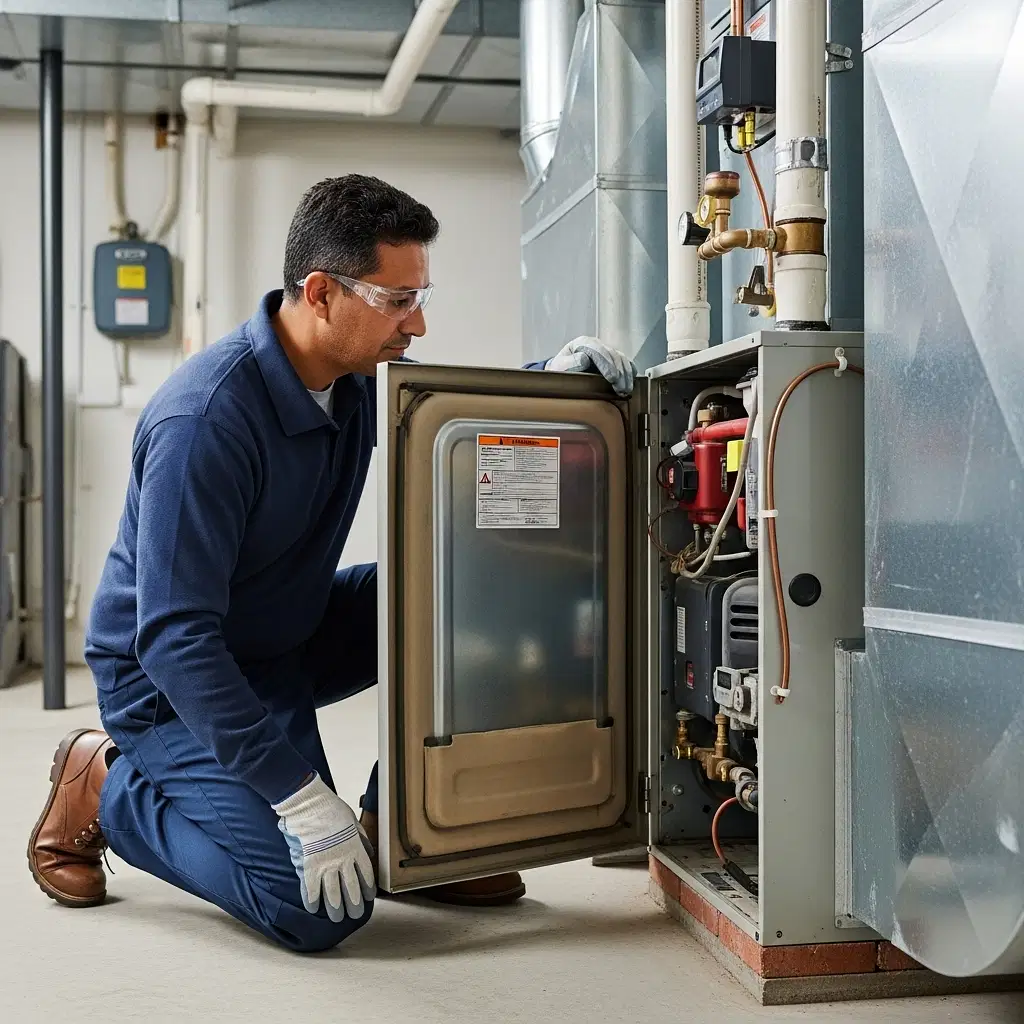
When you decide to move forward with a new furnace installation, it is rarely a simple plug-and-play scenario. Modern high-efficiency furnaces operate differently than older models. While they consume less fuel overall to generate heat, the way they draw that fuel can require specific pressure levels and flow rates that older, narrower pipes simply cannot provide.
Proper residential gas line sizing for heating appliances is a precise mathematical calculation based on the total British Thermal Units (BTUs) required by all the gas-burning appliances in your home simultaneously. If your pipes are too narrow, your new furnace might be starved for fuel during a harsh winter cold snap. This fuel starvation can cause the equipment to short-cycle, produce odd noises, or fail entirely, effectively voiding your manufacturer's warranty and leaving your family in the cold. A comprehensive assessment ensures that your gas meter, the primary trunk line, and the individual branch lines are all sufficiently sized to handle the load of a modern heating system alongside your stove, water heater, and dryer.

Expanding Your Home's Capabilities
Many homeowners choose to enhance their living spaces by adding a gas line for heating equipment that wasn't part of the original floor plan. A popular upgrade is a new gas fireplaces installation, which adds incredible ambiance and a reliable secondary heat source that continues to work even if the power goes out. Similarly, finishing a basement or adding a heated garage requires extending your existing gas manifold.
Before tapping into your current system, a professional technician must evaluate the entire network. There are distinct signs home gas lines need repair or upgrading before new equipment can be added. If you live in an older property, you might have legacy black iron pipes that have begun to show surface wear, or older shut-off valves that no longer meet current safety codes. Attempting to add a modern appliance to a compromised or undersized line is a major safety hazard and violates strict provincial regulations.
We always perform a thorough natural gas pipe safety inspection checklist before extending a line. This includes checking for proper ventilation, ensuring adequate clearances from combustible materials, pressure testing the entire system for micro-leaks, and verifying that the regulator at your meter can handle the increased volume.
Navigating Regulations and Safety Standards
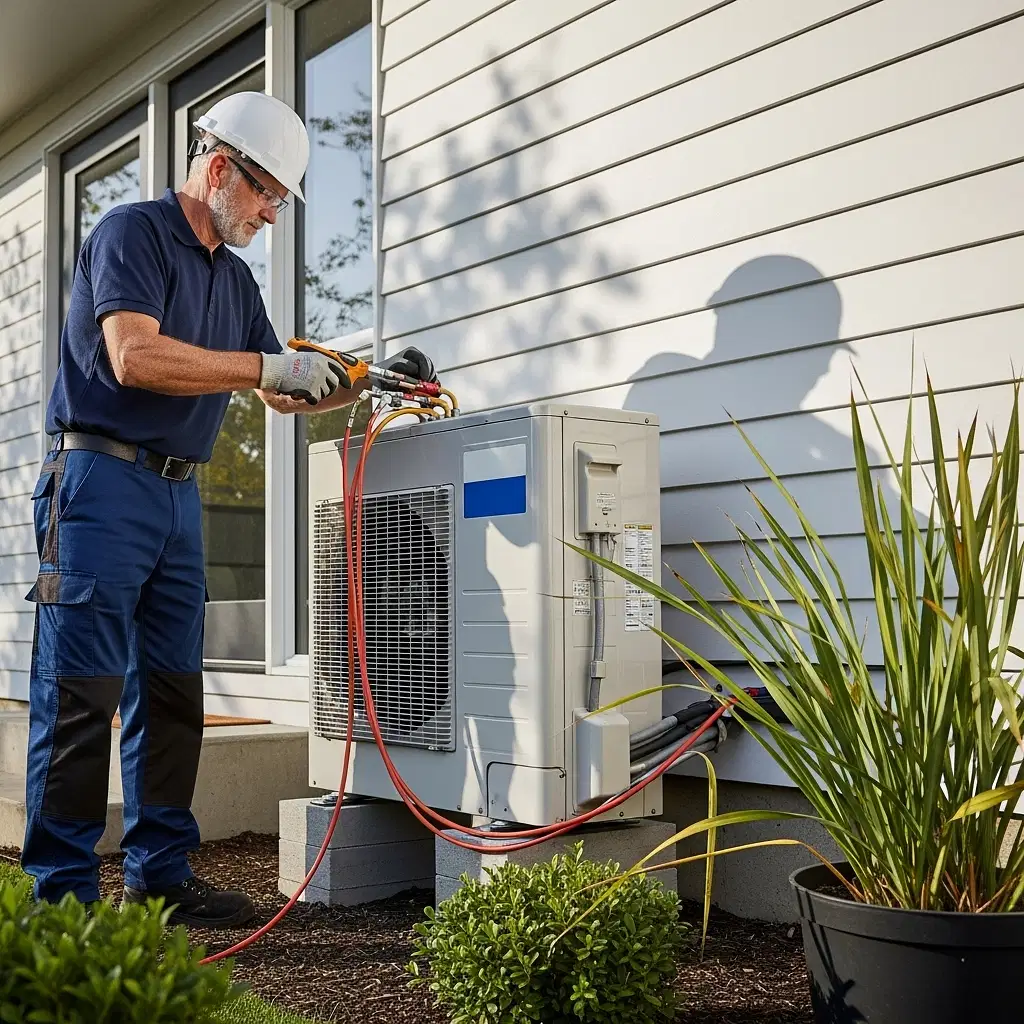
The HVAC industry in Canada is heavily regulated, and for good reason. Handling natural gas is never a do-it-yourself project. The Technical Standards and Safety Authority (TSSA) mandates that only certified technicians can legally perform gas line installation & repairs. Navigating these complex provincial environmental and safety regulations can be daunting for a homeowner, but it is standard daily practice for our licensed professionals.
Beyond just the installation, keeping your systems maintained is vital. During our routine maintenance visits, we continually monitor your gas connections to ensure they remain secure and leak-free. By trusting a certified Red Seal technician, you are guaranteeing that your home's infrastructure is safe, compliant, and optimized for maximum energy efficiency, which helps lower those winter heating bills and allows you to take advantage of available government rebates for energy upgrades.
At First Call Heating & Cooling Inc., we take pride in delivering transparent, high-quality service without cutting corners. If you are considering upgrading your heating system or suspect your current gas infrastructure needs a professional evaluation, our team is ready to help secure your home's comfort. Contact us today to schedule a consultation with our Nepean-based experts, and enjoy total peace of mind this season.