
How to Properly Winterize Central Air Conditioners in Ottawa and Surrounding Areas
As the crisp autumn air settles in and we prepare our homes for the inevitable deep freeze, many of us are naturally focused on turning on our furnaces to stay warm. But before you completely forget about the cooling equipment that worked so hard to keep you comfortable all summer, there is one crucial chore left to do. Learning how to winterize central air conditioner unit systems is a vital step in protecting your investment from our harsh Canadian winters. Extreme weather is a reality here, and failing to prepare your outdoor unit can lead to significant damage when the snow and ice start piling up.
By taking a little time in the fall to put your system to bed properly, you can avoid unexpected breakdowns and ensure it is ready to perform efficiently when the warm weather returns. As a homeowner, understanding the basics of hvac preventative care is one of the easiest ways to save money and avoid the high upfront costs associated with premature system replacements. Whether you live in the heart of the city or out in cottage country, preparing your outdoor cooling equipment for winter is an essential part of annual home maintenance. Taking these proactive steps ensures that you will not be scrambling for an emergency cooling visit when the first heatwave of summer strikes next year.
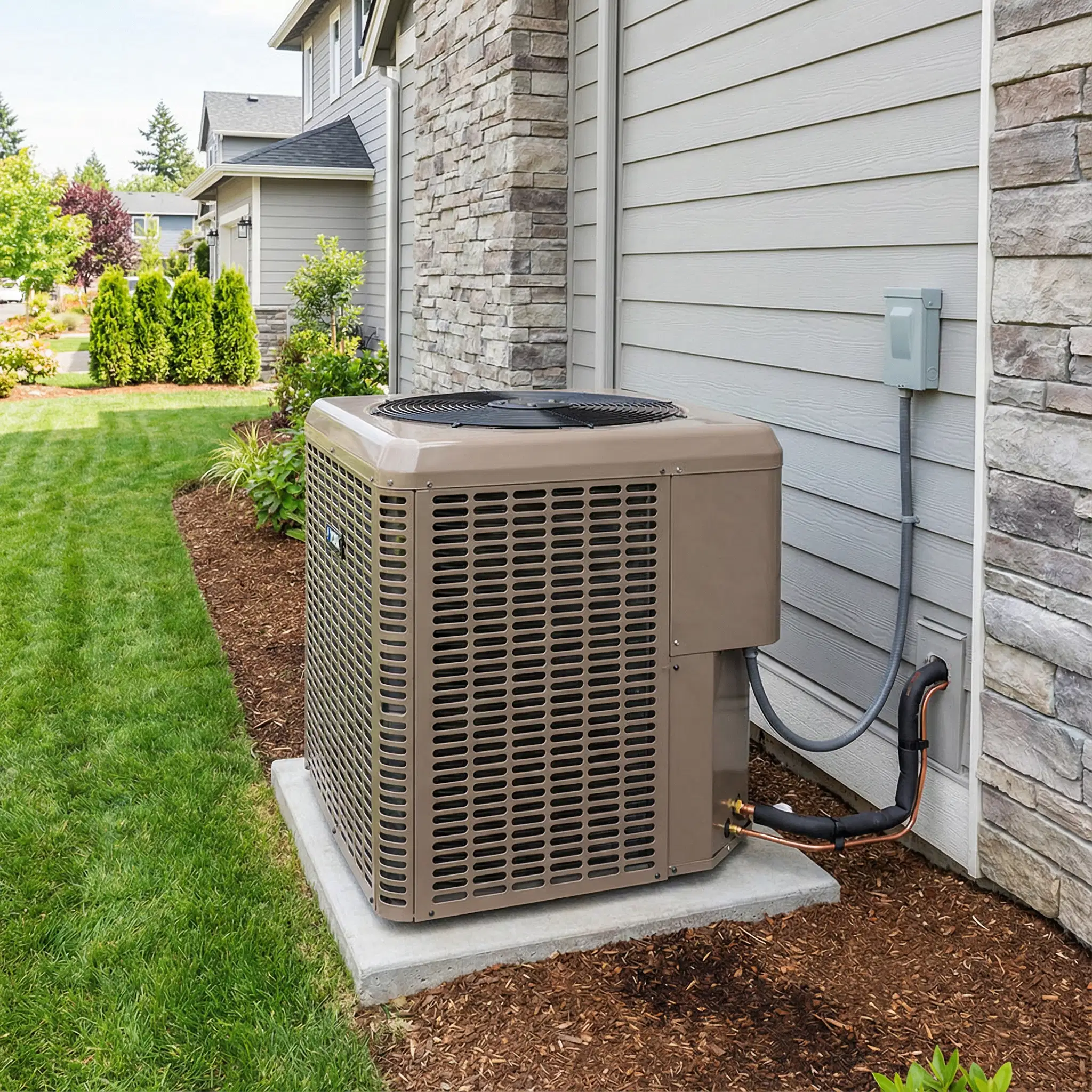
Your Central AC Winter Shutdown Checklist
Properly shutting down your system involves more than simply turning off the thermostat. To effectively focus on preventing outdoor ac unit winter freeze damage, follow this straightforward central ac winter shutdown checklist.
-
Turn Off the Power: Locate the electrical disconnect box near your outdoor unit and flip the switch to the 'off' position. This ensures the unit will not accidentally turn on during an unusually warm winter day, drawing unnecessary hydro and potentially damaging the compressor if water has frozen inside the system.
-
Clean the Surrounding Area: Autumn winds blow leaves, twigs, and debris directly into the fins of your unit. Clear away any yard waste and ensure that your eavestroughs above the unit are clear so that freezing water doesn't overflow directly onto the fan grill.
-
Wash the Unit Gently: Using a garden hose with gentle water pressure, wash away dirt, dust, and bird droppings from the exterior casing. Allow the unit to dry completely before moving on to the final steps of winterization.
-
Inspect the Insulation: Check the foam insulation around the copper pipes connecting your outdoor unit to your home. If the insulation is frayed, missing, or damaged, replace it to prevent the pipes from freezing and cracking during severe cold snaps.
Taking care of these tasks now will save you a headache later. If you are ever unsure about how to safely clean or disconnect power to your system, it is always best to reach out to professional hvac companies to guide you or handle the shutdown on your behalf.
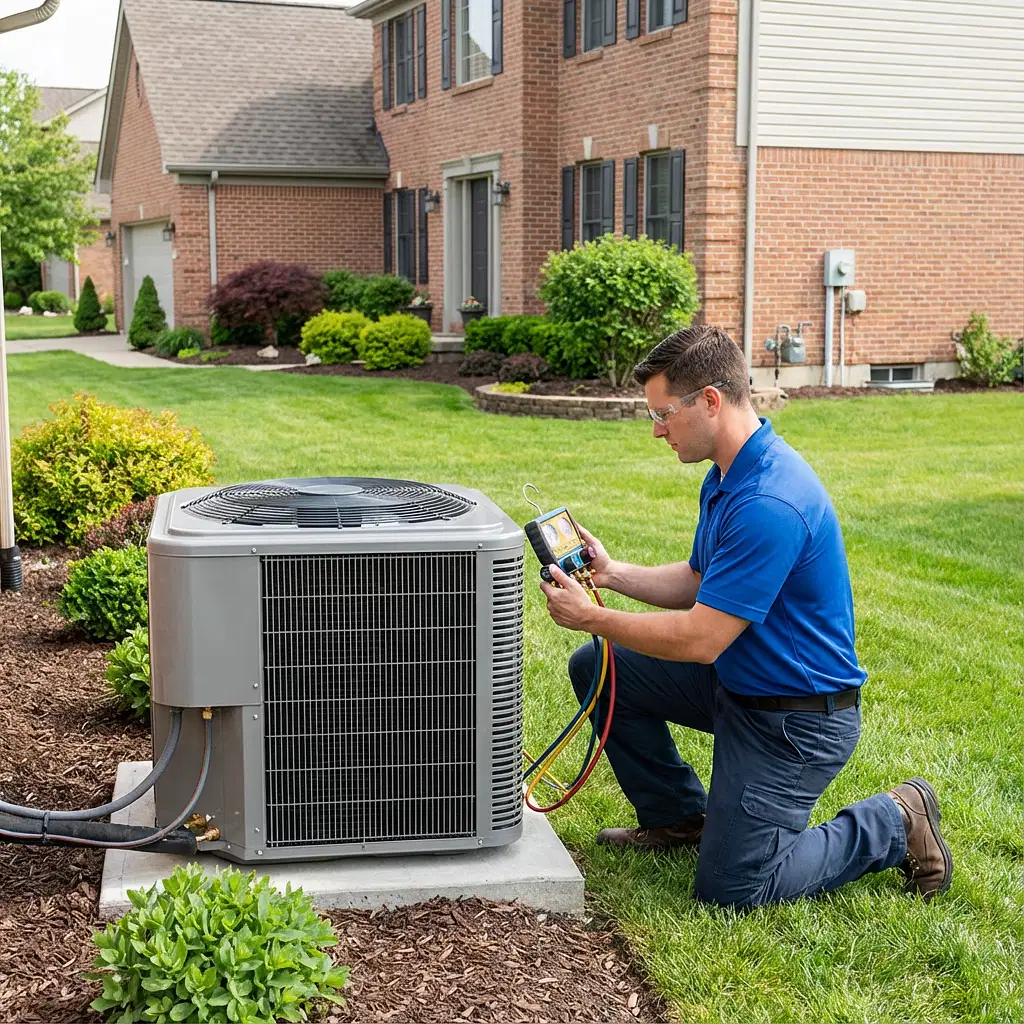
The Great Debate: Should I Cover My Air Conditioner in Winter?
One of the most common questions homeowners ask our technicians is: should i cover my air conditioner in winter? The answer requires a bit of balance. You definitely want to protect the top of the unit from falling icicles and heavy snow accumulation. However, wrapping the entire unit tightly in a plastic tarp is a mistake that can lead to severe issues requiring extensive repair down the line.
A fully sealed unit traps moisture inside, which can lead to rust and corrosion on vital electrical components. Furthermore, a dark, protected, and fully enclosed space becomes the perfect winter home for mice and other rodents looking to escape the cold, and they are notorious for chewing through wiring. The best approach is to place a heavy piece of plywood over the top grill, weighed down securely by bricks, or to use a breathable, commercially made cover that only protects the top few inches of the unit while leaving the sides open for airflow.
If you are using a top-cover, ensure it is securely fastened so it does not blow away during strong winter storms. This method provides the perfect balance of protecting the fan blades and delicate internal parts from ice damage while allowing enough ventilation to keep moisture and critters away.

Partner with the Professionals for Lasting Comfort
Taking these proactive steps will go a long way in extending the lifespan of your cooling system. However, the best way to guarantee your equipment remains in top condition year after year is to schedule professional air conditioning maintenance before you need the system again in the spring. A certified Red Seal technician can spot tiny issues before they become expensive problems.
If you noticed any strange noises, poor airflow, or higher than normal utility bills at the end of the summer season, do not wait until next year to address them. Reach out to First Call Heating & Cooling Inc. for reliable air conditioning repair. Our team is always here to ensure your home remains a haven of comfort, providing transparent, upfront hvac services no matter what the weather outside is doing.