
Don't Sweat It: How to Prepare Your Ottawa Home for Summer Heat Warnings
The first real heat wave of an Ottawa summer is a familiar feeling. One day you're enjoying a pleasant spring breeze, and the next, Environment Canada issues a heat warning, and the humidity makes it feel like you're walking through soup. It's on these sweltering days that we rely on our central air conditioning the most. But what happens when you flip the switch and get nothing but warm air, or worse, a strange rattling noise? A mid-heat-wave breakdown is more than an inconvenience; it's a stressful emergency that can disrupt your family's comfort and safety.
At First Call Heating & Cooling, we've seen it all. The key to a worry-free summer isn't just hoping your AC works—it's ensuring it's prepared to handle the peak demand. This guide will walk you through the essential steps to get your cooling system ready, helping you stay comfortable, improve energy efficiency, and avoid costly emergency calls.
The Foundation of a Cool Summer: Proactive AC Maintenance
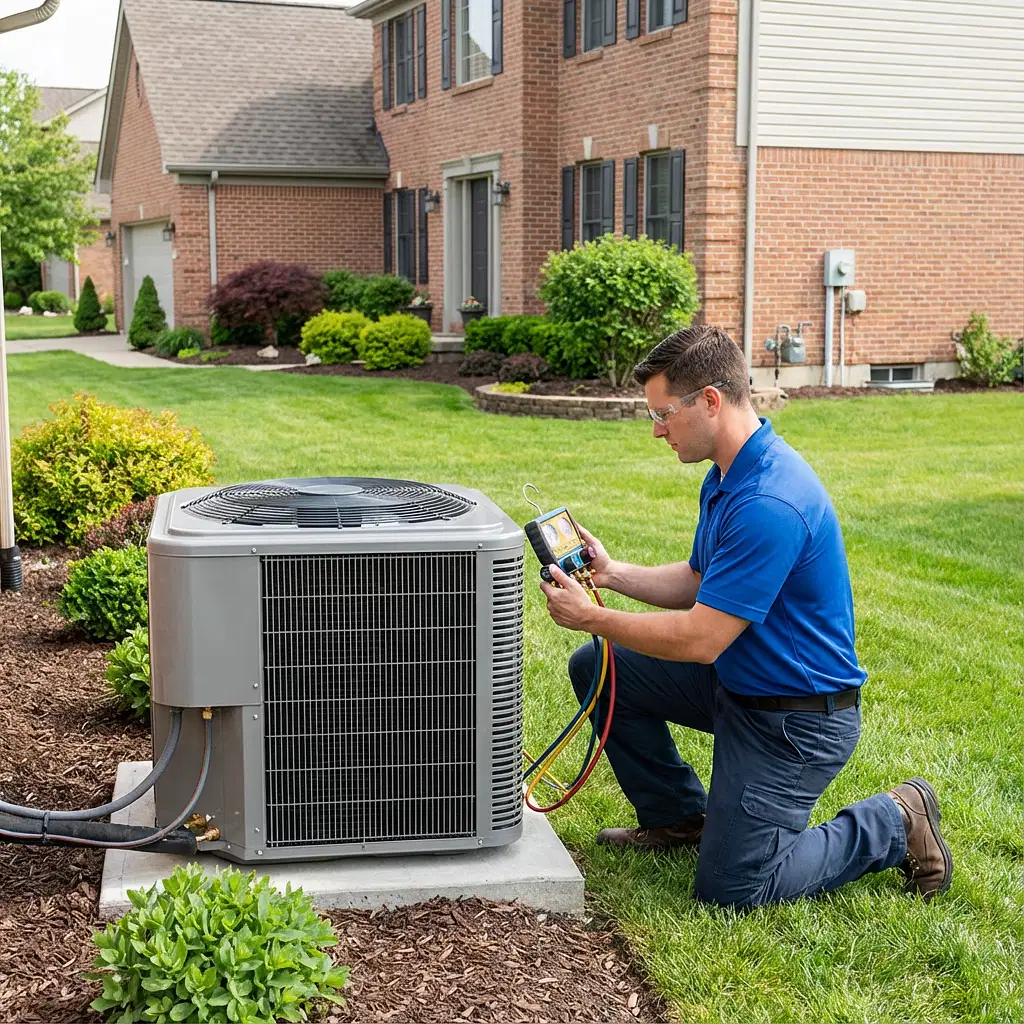
Many homeowners wait until there's a problem to think about their air conditioner. However, the single most effective way to prevent a breakdown is with regular, professional maintenance. Think of it like an oil change for your car; it's a small investment that protects a much larger one and ensures reliable performance when you need it most.
So, how often should you have your AC serviced? We recommend a comprehensive tune-up once a year, ideally in the spring before the cooling season begins. This proactive approach addresses one of the biggest concerns for homeowners: reliability. During a professional air conditioning maintenance visit, a certified technician will:
- Clean the condenser and evaporator coils: Dirty coils force the system to work harder, reducing efficiency and increasing wear and tear.
- Check refrigerant levels: Incorrect levels can indicate a leak and will prevent your system from cooling effectively.
- Inspect electrical components: Tightening connections and checking capacitors can prevent system failure.
- Lubricate moving parts: This reduces friction and lowers electricity consumption.
- Test the thermostat and system controls: Ensures your AC runs when it's supposed to and maintains the correct temperature.
An annual tune-up not only catches small issues before they become major, expensive repairs but also ensures your system is running at peak efficiency, which can help keep your summer hydro bills under control.
Listen to Your System: Warning Signs Your AC Needs Repair
Even with regular maintenance, components can wear out over time. Being able to recognize the early warning signs of a problem can save you from a complete system failure on the hottest day of the year. If your air conditioner is not cooling your house effectively, it's trying to tell you something. Keep an eye (and ear) out for these common red flags:
- Strange Noises: Banging, clanking, or screeching sounds are not normal. They can indicate a loose part, a problem with the compressor, or a failing motor.
- Weak Airflow: If you feel very little air coming from your vents, it could be a sign of a clogged filter, a failing fan, or a more serious issue within your ductwork.
- Warm Air: If the air from your vents is lukewarm or warm, you could be dealing with a refrigerant leak or a compressor issue. Don't wait—turn the system off to prevent further damage and call a professional.
- Frequent Cycling: Does your AC turn on and off constantly? This could be due to an oversized system, a faulty thermostat, or low refrigerant.
- Unexpected Moisture or Leaks: Water pooling around your indoor unit is often a sign of a clogged condensate drain, which can cause water damage if not addressed.
If you notice any of these symptoms, it's time to schedule a professional air conditioning repair. A timely diagnosis can often be the difference between a simple fix and a complete system replacement.

Beyond the Box: Improving Whole-Home Comfort and Air Quality
Your air conditioner is the heart of your home's cooling system, but it doesn't work in a vacuum. To truly prepare for a heat wave, consider how other elements of your home contribute to overall comfort and efficiency. One of the most impactful upgrades is a smart thermostat. These devices learn your family's schedule, allow for remote adjustments, and provide detailed energy usage reports, helping you save money without sacrificing comfort.
Furthermore, the quality of the air you breathe is just as important as the temperature. A well-functioning HVAC system plays a crucial role in your home's health. Regularly changing your furnace filter is the first line of defense, trapping dust, pollen, and other allergens. For families concerned about airborne contaminants, there are advanced indoor air quality solutions like high-efficiency media air cleaners, UV air purifiers, and whole-home humidifiers that integrate directly with your HVAC system to create a healthier living environment.
Repair or Replace? Knowing When It's Time for an Upgrade
One of the most common questions we hear is whether to repair an aging air conditioner or invest in a new one. While a repair might seem cheaper upfront, it can be a short-term fix for a long-term problem. It may be time to consider a new air conditioning installation if your current unit is:
- Over 12-15 years old: Older systems are significantly less efficient and more prone to breakdowns.
- Requiring frequent and costly repairs: If you're on a first-name basis with your repair technician, the money spent on fixes could be a down payment on a new, reliable system.
- Driving up your energy bills: A new high-efficiency model can provide significant savings on your monthly hydro costs, often paying for itself over its lifespan.
- Using R-22 refrigerant: This older refrigerant is being phased out for environmental reasons, making it expensive and difficult to source for repairs.
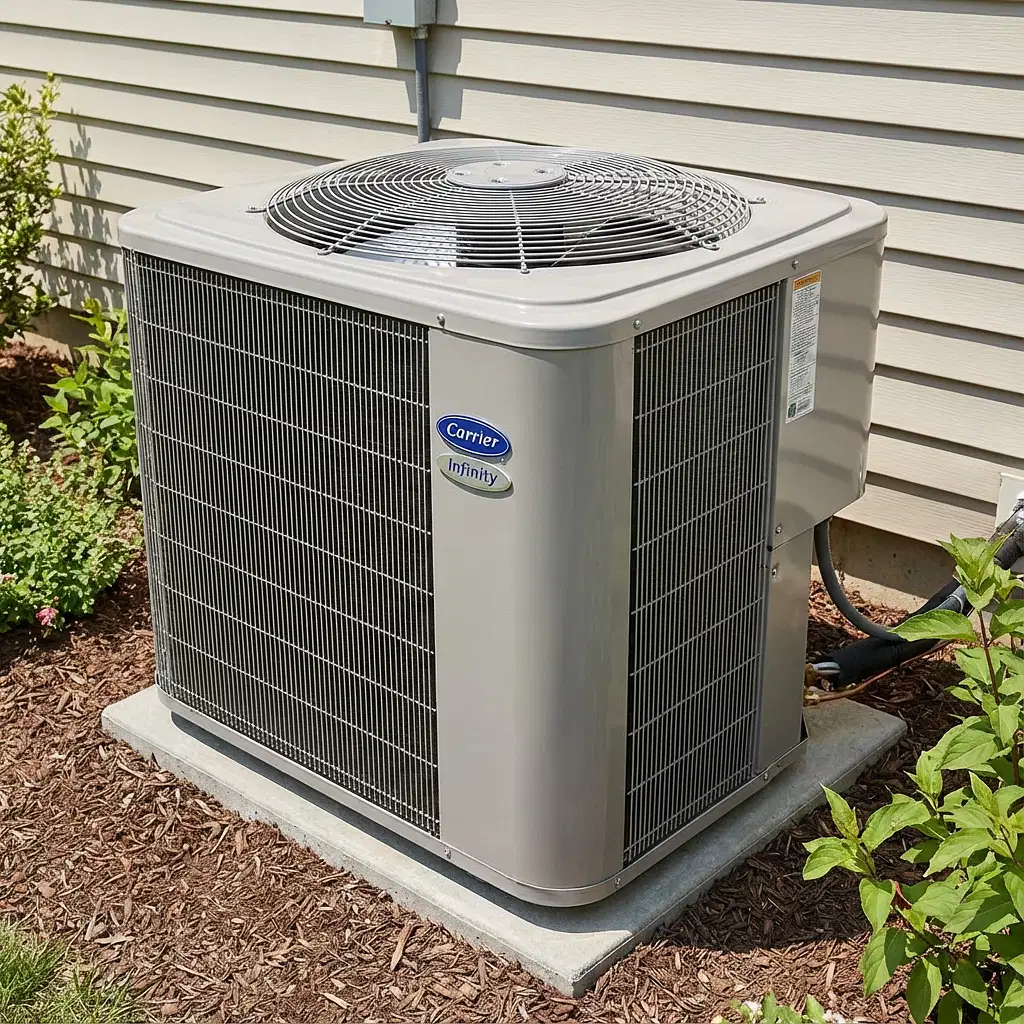
Investing in a modern, energy-efficient air conditioner not only guarantees a cool and comfortable home but also increases your property value. Plus, with current government and utility rebates, a new installation is more affordable than ever.
Stay Cool This Summer with First Call
Preparing for an Ottawa summer means being proactive about your home's comfort. By scheduling regular maintenance, paying attention to warning signs, and knowing when it's time to upgrade, you can ensure your air conditioner is ready to perform when you need it most. Don't wait for the first heat warning to discover a problem.
Contact the trusted experts at First Call Heating & Cooling today. Whether you need to schedule your annual AC maintenance, book a prompt repair service, or get a free, no-obligation quote on a new high-efficiency air conditioner, our team is here to help you stay cool and comfortable all summer long.