Breathe Easier: A Guide to Improving Your Home's Indoor Air Quality for Ottawa Families
We spend a significant amount of our lives indoors, especially when an extreme cold warning hits or during the beautiful but pollen-heavy spring. We invest in comfortable furniture and cozy decor to make our houses feel like homes. But have you ever stopped to consider the quality of the air you and your family are breathing every day? The truth is, the air inside our homes can often be more polluted than the air outside. For families in the Ottawa area, creating a healthy indoor environment is just as important as keeping warm during Winterlude.
Poor indoor air quality (IAQ) can contribute to everything from allergies and dry skin to general fatigue and discomfort. Fortunately, you have more control over it than you think. This guide will help you understand the common signs of poor IAQ and explore effective solutions that can make your home a healthier, more comfortable place to live.
What's Lurking in Your Home's Air?
Modern homes are built to be energy-efficient, with tight seals to keep the heated or cooled air from escaping. While this is great for your hydro bill, it also means that airborne contaminants can get trapped inside, circulating through your home again and again. These common pollutants can have a noticeable impact on your family's well-being.
Some of the most common culprits include:
- Dust and Dust Mites: Microscopic particles that are a major trigger for allergies and asthma.
- Pet Dander: Tiny flecks of skin shed by cats, dogs, and other animals with fur or feathers.
- Pollen and Outdoor Allergens: These can easily find their way into your home on clothes, shoes, and pets.
- Mold and Mildew Spores: Thriving in damp areas, these can cause respiratory issues and musty odours.
- Volatile Organic Compounds (VOCs): Gases released from common household products like cleaning supplies, paints, new furniture, and air fresheners.
When these particles build up, they can turn your home from a sanctuary into a source of irritation and health concerns. Recognizing the problem is the first step toward finding a solution.

The Telltale Signs of Poor Indoor Air Quality
How can you tell if your home's air quality needs a boost? Your body and your home often provide clear clues. Paying attention to these signs can help you identify potential issues before they become more serious.
Physical Symptoms to Watch For:
- Aggravated Allergies or Asthma: If you find that allergy or asthma symptoms are worse indoors, it's a strong indicator that airborne irritants are present.
- Persistent Dryness: Unexplained sore throats, dry skin, and itchy eyes can be caused by air that lacks proper humidity, a common issue during our cold, dry winters.
- Frequent Headaches or Fatigue: Feeling tired or experiencing regular headaches at home could be linked to poor ventilation and a buildup of indoor pollutants.
- Constant Congestion: A stuffy nose that seems to clear up when you leave the house is another classic sign.
Signs Around Your Home:
- Excessive Dust: If you're constantly dusting surfaces, your HVAC system may be circulating particles instead of filtering them.
- Lingering Odours: Stale or musty smells that don't seem to go away suggest poor air circulation and ventilation.
- Condensation on Windows: While some condensation is normal, excessive moisture on your windows can indicate high humidity levels, creating a breeding ground for mold.
Your Toolkit for Fresher, Healthier Air
Improving your home's air quality isn't about a single quick fix; it's about creating a system that works together to filter, ventilate, and balance the air. At First Call Heating & Cooling, we specialize in creating comprehensive indoor air quality solutions tailored to the unique needs of your home.
Here are some of the most effective tools for the job:
Heat Recovery Ventilators (HRVs)
An HRV is like a set of lungs for your home. It systematically pushes stale, polluted indoor air outside while bringing in a steady supply of fresh, clean air. The 'recovery' part of its name is the magic: it captures heat from the outgoing air and transfers it to the incoming fresh air, so your furnace doesn't have to work as hard. An HRV installation is one of the best investments you can make for both your health and your energy bills.
Whole-Home Humidifiers
The dry air produced by furnaces in winter can be harsh. A whole-home humidifier installation integrates directly with your HVAC system to add the perfect amount of moisture to the air. This helps alleviate dry skin and throats, reduces static electricity, and can even protect your hardwood floors and wood furniture from cracking.
High-Quality Ductwork
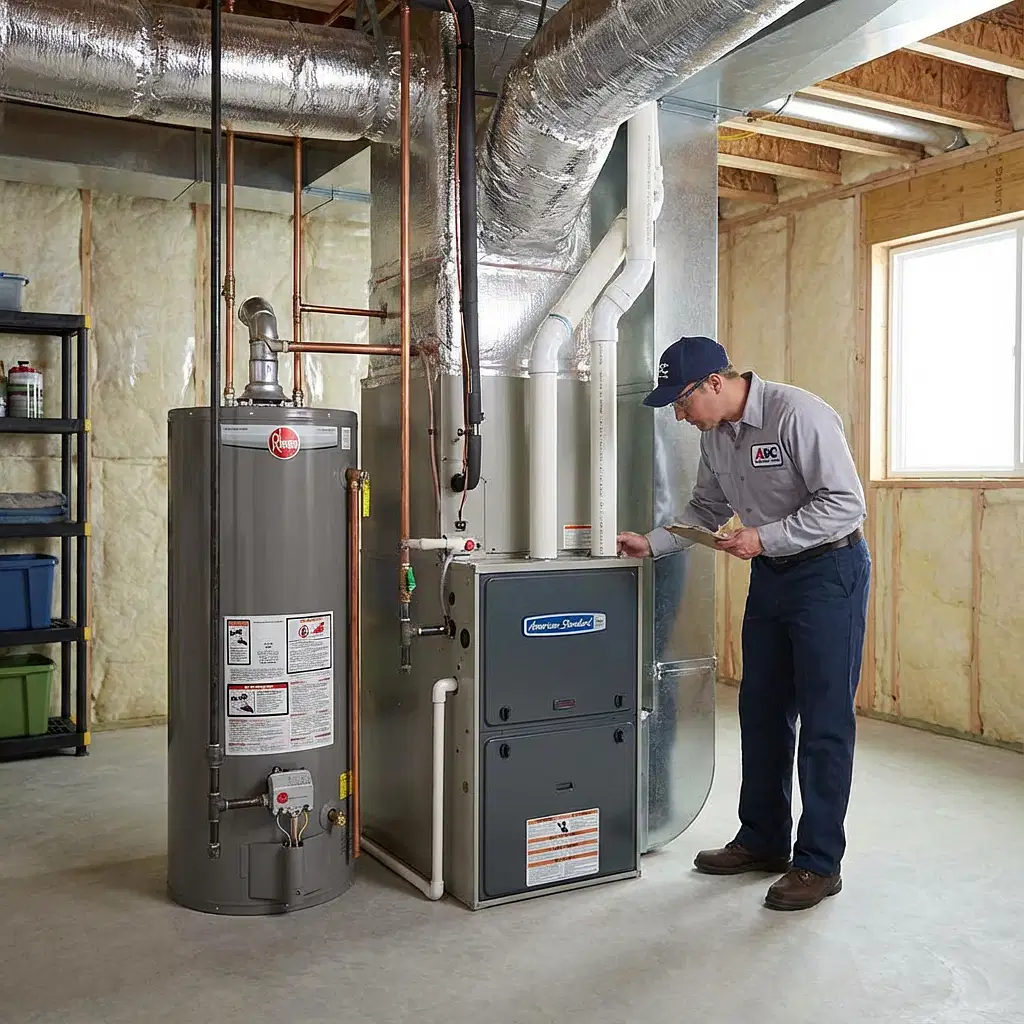
Your ductwork is the circulatory system of your home, delivering conditioned air to every room. If your ducts are leaky, poorly designed, or full of debris, they can't do their job effectively. They can spread dust and allergens throughout the house and lead to inefficient heating and cooling. Professional duct work installations and sealing ensure that clean, filtered air gets exactly where it needs to go, without waste.
Take the First Step Toward a Healthier Home
Your family's health and comfort are top priorities. By paying attention to your home's indoor air quality, you're making a proactive investment in their well-being. From reducing allergy symptoms to creating a more comfortable living space, the benefits of clean air are undeniable.
At First Call Heating & Cooling, we believe every family deserves to breathe clean, healthy air. We don't just install equipment; we provide trusted, reliable solutions that make a real difference. Our team of certified technicians has the expertise to assess your home's specific needs and recommend a system that fits your family and your budget.
Ready to improve the air your family breathes? Contact the experts at First Call Heating & Cooling today. We’re here to help families across Ottawa and the surrounding areas find the perfect indoor air quality solution. Get in touch with us for a no-obligation consultation!